Don't Fall For This Call: The Emergency Scam That's Hurting Seniors
By Reid Carter
15 October 2025
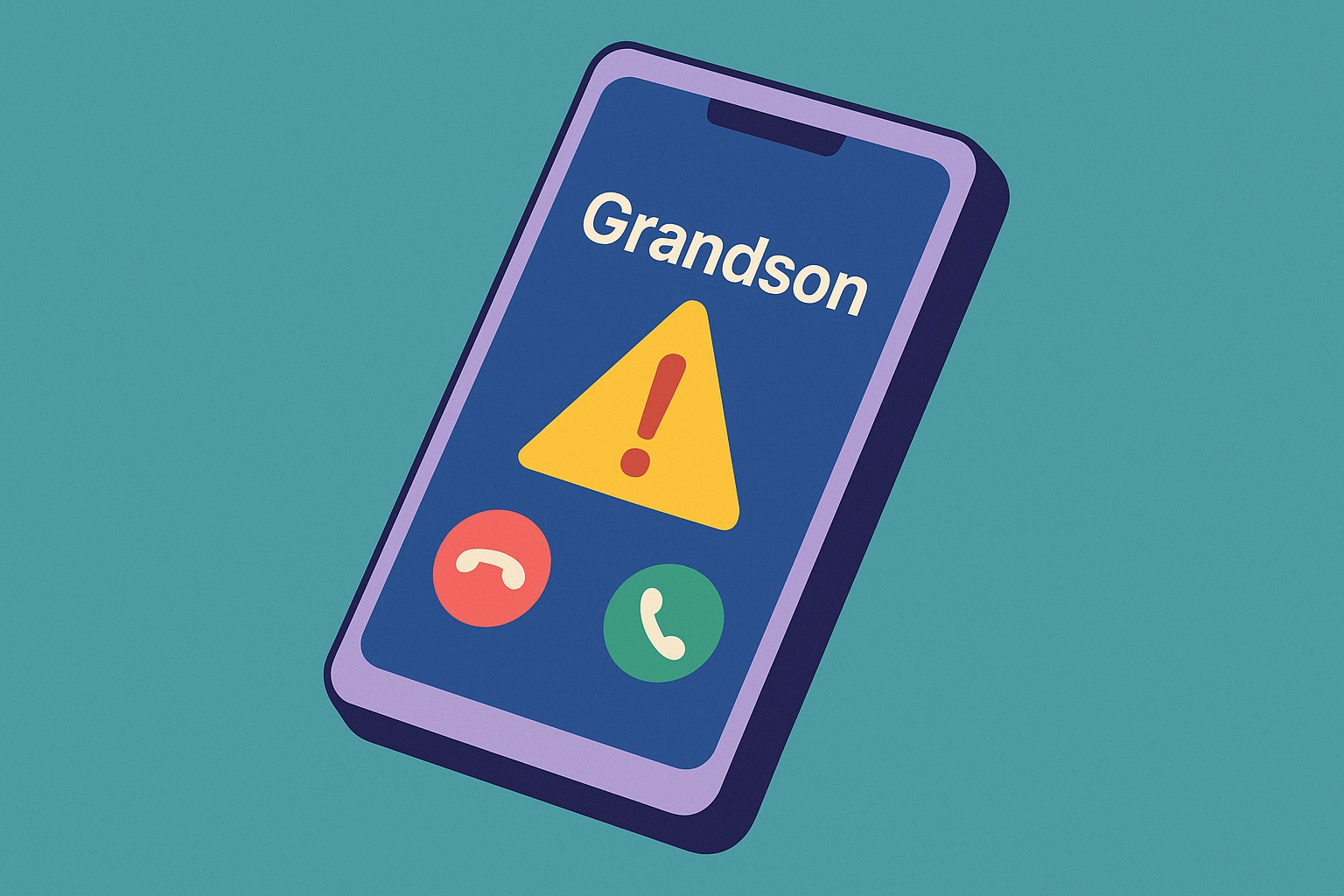
One of the fastest-growing scams right now is the "Emergency Scam," sometimes called the "Grandparent Scam." It's designed specifically to trick older adults into acting quickly by using fear and confusion. And unfortunately, it's working.
What Happens
You get a phone call or text from someone pretending to be a grandchild, a niece or nephew, or even a police officer. They say something bad has happened. For example:
- "Grandma, I've been in an accident. I need money for bail."
- "Hi, this is Officer Daniels. Your grandson was arrested, we need you to post bond immediately."
- "It's me, your niece. I lost my phone and I'm in trouble. Please don't tell mom and dad."
They often beg you not to tell anyone else.
Sometimes they even use AI to fake the person's voice, so it sounds real, like your actual grandchild is scared and crying on the line. You're then asked to send money through a wire transfer, gift cards, or even a courier.
Many seniors have lost thousands of dollars this way, some even their entire savings, before realizing it was a scam.
How to Protect Yourself
If you ever get a call like this:
- Don't panic. Hang up or tell them you'll call back.
- Verify first. Call your grandchild or family member using the number you already have, not the one they give you.
- Never send money immediately. Real emergencies don't come with secret payment instructions.
- Have a safe word. Deciding on a secret word to use in a situation like this can give you peace of mind, and money.
Why it Matters
Scams are evolving fast, and they're hitting people where it hurts. But staying informed, asking questions, and taking a few seconds to double check can make all the difference. If something feels off, it probably is. Keep your guard up, trust your instincts, and don't let urgency rush you into a mistake.
What Happens
You get a phone call or text from someone pretending to be a grandchild, a niece or nephew, or even a police officer. They say something bad has happened. For example:
- "Grandma, I've been in an accident. I need money for bail."
- "Hi, this is Officer Daniels. Your grandson was arrested, we need you to post bond immediately."
- "It's me, your niece. I lost my phone and I'm in trouble. Please don't tell mom and dad."
They often beg you not to tell anyone else.
Sometimes they even use AI to fake the person's voice, so it sounds real, like your actual grandchild is scared and crying on the line. You're then asked to send money through a wire transfer, gift cards, or even a courier.
Many seniors have lost thousands of dollars this way, some even their entire savings, before realizing it was a scam.
How to Protect Yourself
If you ever get a call like this:
- Don't panic. Hang up or tell them you'll call back.
- Verify first. Call your grandchild or family member using the number you already have, not the one they give you.
- Never send money immediately. Real emergencies don't come with secret payment instructions.
- Have a safe word. Deciding on a secret word to use in a situation like this can give you peace of mind, and money.
Why it Matters
Scams are evolving fast, and they're hitting people where it hurts. But staying informed, asking questions, and taking a few seconds to double check can make all the difference. If something feels off, it probably is. Keep your guard up, trust your instincts, and don't let urgency rush you into a mistake.